Unique Coffee Tables from Wayfair to Elevate Your Living Room

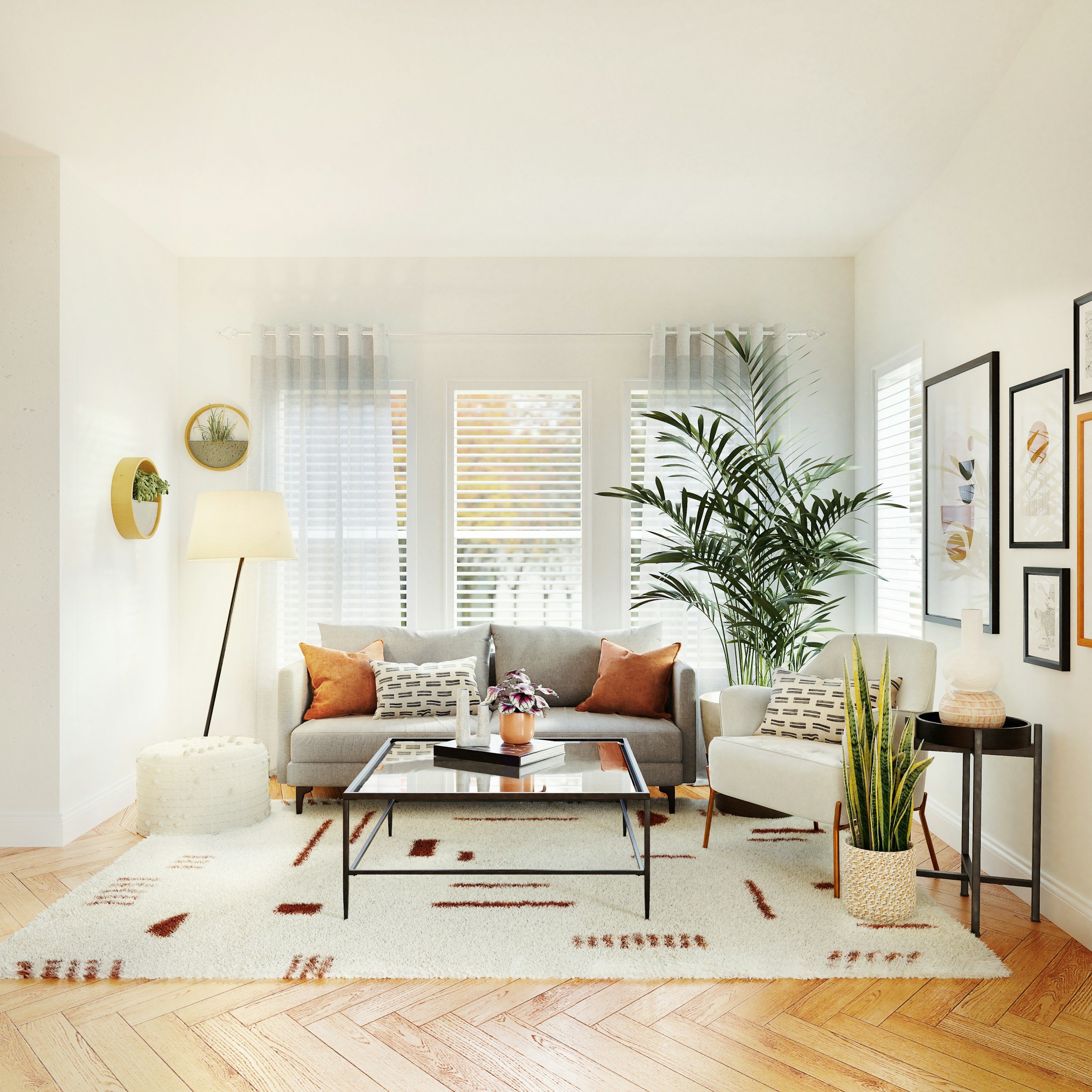
Your coffee table is often the centerpiece of your living room, anchoring the space and reflecting your personal style. If you're looking to move beyond the ordinary, Wayfair offers a variety of unique coffee table finds for every style and budget! Here are a few standout finds to consider:

For the Modern Minimalist

If clean lines and sleek designs are your preference, consider the Pre-Assembly 39.4” Mid Century Square Wood Coffee Table with Large Storage Walnut Finish and Sliding Top.

 Its minimalist aesthetic and warm wood finish add a touch of sophistication without overwhelming the space. It has a low profile with hidden storage, making it beautiful and useful!


For the eclectic Soul

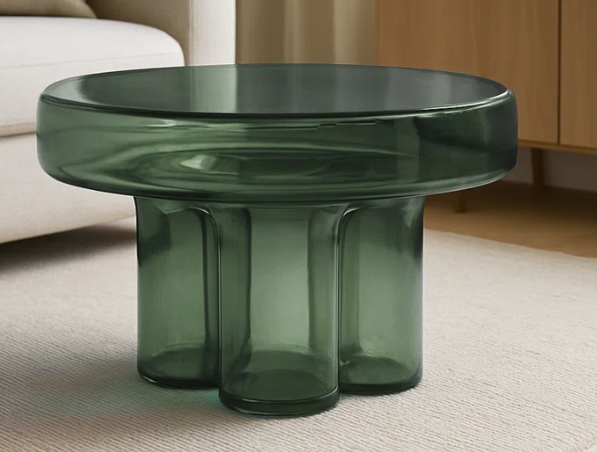
Embrace bold shapes and mixed materials with the Allrich 48.4" Cloud Coffee Table, the Elegant Glaze Glass Coffee Table, or the Double-Layer Tempered Glass Coffee Table. With fun shapes, colors, and styles, you’ll love any of the options.  


For the Rustic Enthusiast

Farmhouse peeps, this one is for you. It doesn’t matter if you lean traditional farmhouse or modern, you’ll find something you can enjoy. Bring the warmth of nature indoors with the Damika Rectangular Coffee Table with 2-Tier Storage, Millwood Pines 31.5" Square Rustic Coffee Table or Jodeane Solid Wood Coffee Table. Each piece is unique, showcasing the natural grain and imperfections of the wood, perfect for adding rustic charm.

For the Glamour seeker

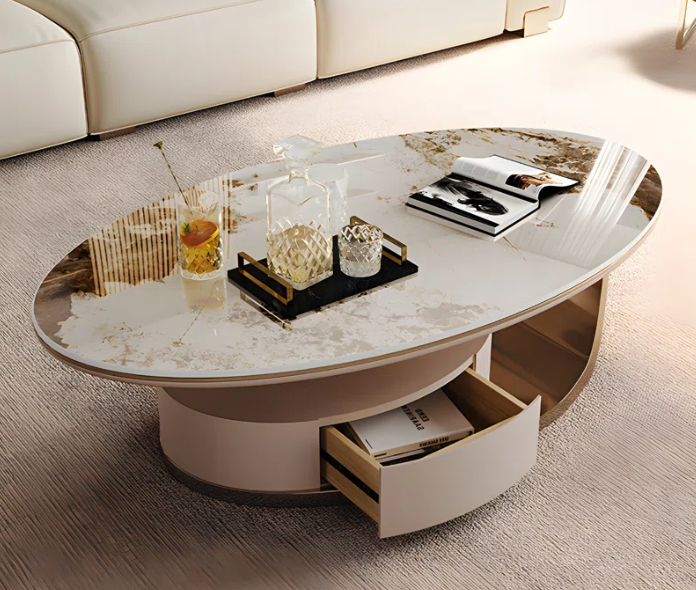
Add a touch of luxury with the Reepham Modern Design Marble Coffee Table, Behrett Flower-Shaped Coffee Table, or the Addaly Glass Top Coffee Table

 The elegant marble surface paired with a gold or brass frame exudes opulence and creates a focal point in any room.

For Small Spaces

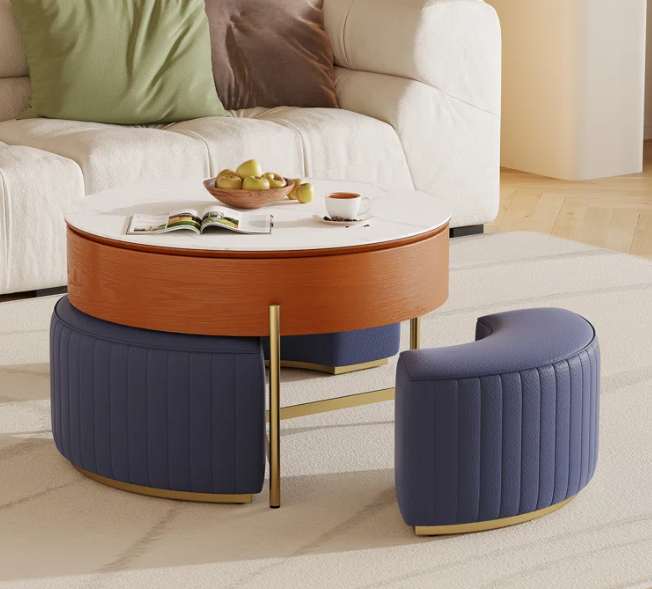
Maximize functionality without sacrificing style with the Soukaina Coffee Table

 This versatile piece offers hidden storage and a lift-up top that doubles as a workspace or dining surface.

Explore these and many other unique coffee table options on Wayfair to find the perfect piece that completes your living room aesthetic. Happy decorating, and feel free to let me know if you decide on any of my recommendations.


Spruce Up Your Space: Affordable Area Rugs You Won't Believe Are From Amazon

Tired of staring at cold, bare floors? An area rug is the single most transformative decor element you can add to a room. It anchors furniture, adds texture, defines space, and brings a much-needed splash of color or pattern.

The only catch? Rugs can be expensive. I didn’t realize this until I started my own decorating journey, but fear not, savvy shopper, I’ve got you covered!  I’ve discovered Amazon's endless selection to bring you the best-kept secrets for high-style, low-cost area rugs that will instantly refresh your space without emptying your wallet.


Why Amazon is Your Rug Destination

Before diving into the styles, let's talk logistics. Amazon is a fantastic place to buy rugs for several reasons:

  1. Selection and Size: From 2x3 doormats to massive 10x14 living room anchors, Amazon has every size, shape, and style imaginable.

  2. Unbeatable Prices: Due to low overhead, the pricing is often significantly better than big-box home stores or specialty rug retailers.

  3. Customer Reviews: Hundreds, sometimes thousands, of reviews and real customer photos help you gauge the quality and true color before you buy.

  4. Convenience: Fast shipping means you can stop dreaming about a cozy floor and start enjoying one within days.

Top Affordable Rug Trends on Amazon

You don't have to sacrifice style for savings. Here are three popular rug categories currently dominating the affordable Amazon market:

1. The Power of the Distressed Persian Look

A vintage-inspired Persian or Oriental rug adds character and warmth, blending seamlessly with modern, traditional, or bohemian decor.

Why it works: The slightly faded, distressed look effectively conceals minor spills and wear, making it ideal for high-traffic areas. The intricate patterns give a luxury feel for a fraction of the cost of a true antique.

What to look for: Look for "overdyed" or "distressed vintage" in the product title. Brands like Safavieh and Nourison offer reliable, budget-friendly options in this category.

2. High-Shag, Low-Cost Comfort

Nothing says cozy quite like a soft, plush shag rug. These rugs are ideal for bedrooms, nurseries, or any space where maximum comfort is the top priority.

Why it works: Modern shag rugs (not the retro kind!) use soft synthetic fibers that are incredibly budget-friendly and easy to clean. They provide excellent sound absorption and texture.

What to look for: Focus on high pile height (at least 1.5 inches) and check reviews for shedding concerns. A neutral color like cream, ivory, or light gray ensures it matches any furniture.

3. Jute, Sisal, and Natural Textures

For a minimalist, Scandinavian, or coastal aesthetic, natural fiber rugs are the go-to. They add grounding texture without overwhelming the space with color.

Why it works: Natural rugs bring an organic, earthy feel to a room. They are incredibly durable and surprisingly versatile. Amazon offers great prices on jute blends.

What to look for: Look for Jute as it tends to be softer than Sisal. For added comfort, opt for a jute rug featuring a cotton border or braided texture. These are often great layering pieces under a smaller patterned rug!

Smart Shopping Tips for Amazon Rugs

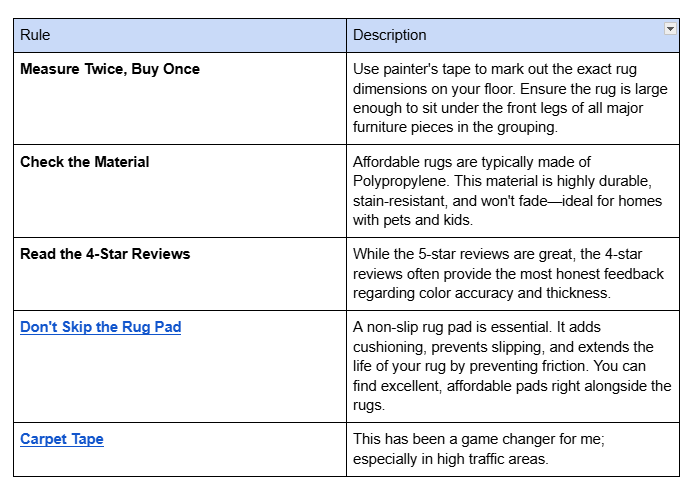
To ensure your budget buy is a winner, follow these rules:

My latest rug purchase is this brown traditional rug from Pure Cozy, and it is sooooooo soft! It feels like I’m walking on clouds.

Ready to transform your home? With a little savvy searching on Amazon, a gorgeous, affordable area rug is just a click away!

Hysterotomy Aftercare: What I Actually Used and Loved

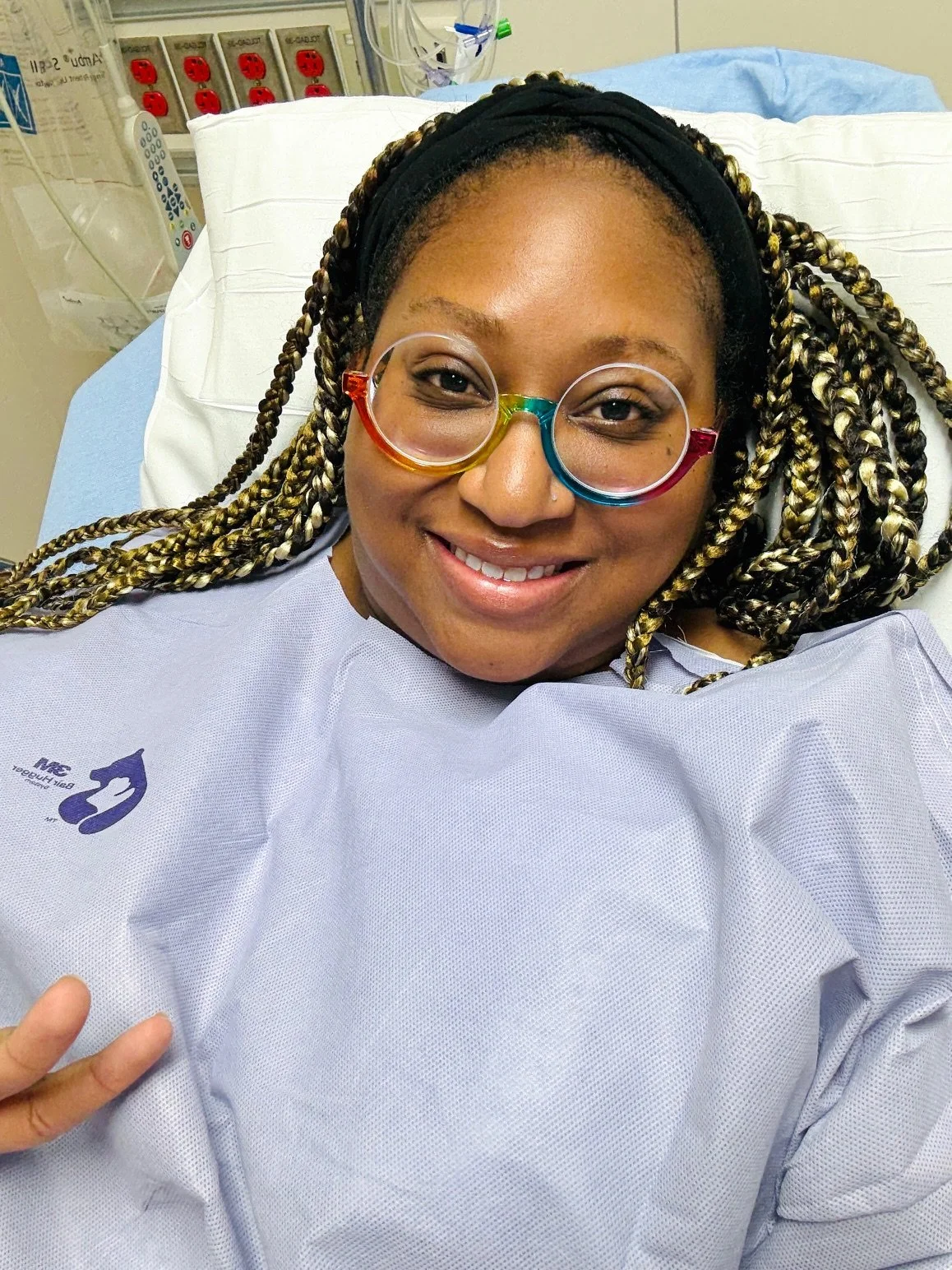
I did it, y’all, I had a total laparoscopic hysterectomy in June 2025 at age 34! Recovering from a hysterotomy is a journey, and having the right tools can make all the difference in your comfort and healing. Recovery time was estimated to be 6 weeks, and I needed every minute of that time. Even with a laparoscopic procedure, your body needs time to heal. While everyone is different, I wanted to share the items that genuinely made my aftercare experience more manageable and, dare I say, even a little bit easier.

Pain Management & Comfort

  • Abdominal Binder: This was a non-negotiable for me from day one. My surgeon placed me in a binder right after, but once I started walking, I realized it wasn’t a great fit for me, so I was glad I had purchased my own. The compression provided immense support to my incision, reducing pain and making movement less daunting. It was also long enough to cover my entire torso. You have the option to make it as loose or as snug as you would like. I wore it almost constantly for the first few weeks, only taking it off to shower.

  • High-Waisted, Loose-Fitting Underwear: Say goodbye to anything that will rub or press on your incision. I stocked up on soft, breathable cotton underwear that sat well above my incision. Comfort is key! Even though my incision no longer hurts, these still feel amazing!

  • Seatbelt Pillow: This pillow was amazing, I wish I had it when I had back surgery. I could easily tuck the seatbelt in place and hold on to it while someone drove me home. It made all the bumps during the car ride a little easier.

  • Pillow for Coughing/Sneezing: A small, firm pillow became my best friend for protecting my incision during unexpected coughs or sneezes. Pressing it firmly against my abdomen offered crucial support and reduced the sharp pain.

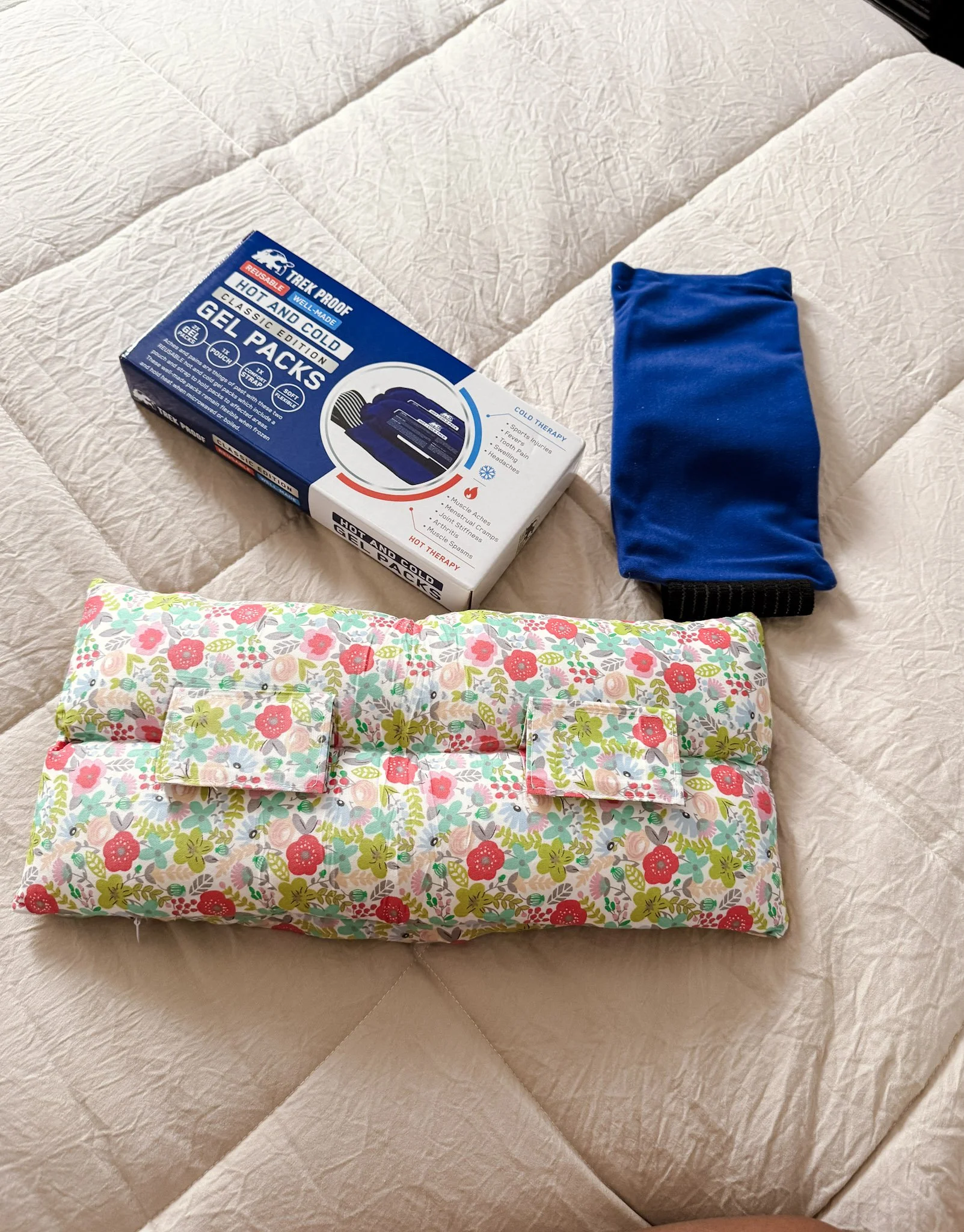
  • Heating Pad: Gentle warmth on my lower back and even lightly over my abdomen (once my doctor gave the all-clear) was incredibly soothing for general aches and uterine cramping.

  • Ice Packs: I found myself alternating between wanting hot/cold compressions and these packs were perfect. I could use them for both. Whenever I wanted to sit up, I’d lay a pack over my belly. 

  • Soft, Easy-to-Wear Clothing: Think loose-fitting pajamas, sweatpants, and dresses. I lived in pajamas and robes. Anything that didn't put pressure on my midsection was a win.

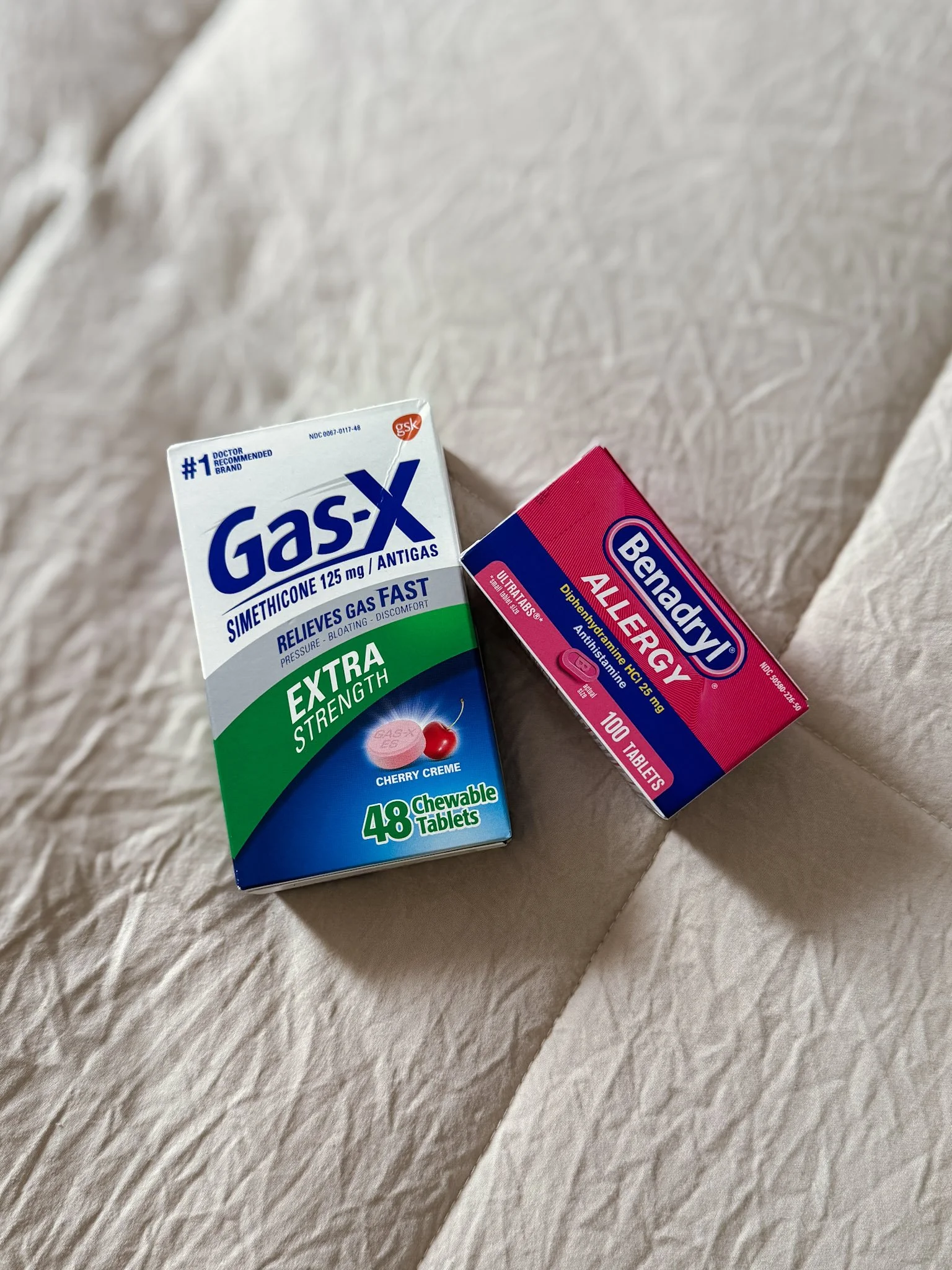
  • GasX - This was a lifesaver, all of the women said I would need it, and I’m glad I listened. Your belly is filled with air if you’re having laparoscopic surgery, causing a lot of post-surgical gas. The last thing you want is gas pain. I took it for the first 10 days, and it was great!

  • Panty Liners/ Light Day pads - Ideally, you shouldn’t bleed like a normal period, but you may experience spotting and/or a light period during the first 2 weeks.

Incision Care

  • Gentle Cleanser: My doctor recommended a mild, fragrance-free soap for showering. Keeping the incision clean and dry is paramount to preventing infection.

  • Gauze Pads and Medical Tape (if needed): While my incision was mostly left open to air after the initial hospital dressing, I kept these on hand for any minor leakage or if I needed to protect it from clothing friction. Always follow your doctor's specific instructions for wound care!

  • Scar Cream/Oil (after healing): Once my incision was fully closed and no longer sensitive, I started using a silicone-based scar cream. While it's too early to tell the long-term effects, I felt like it helped with the texture and appearance. Always consult your doctor before applying anything directly to your healing incision.

Practical Helpers

  • Grabber Tool: Reaching for things on the floor or in higher cabinets was a challenge in the early days. A grabber tool was surprisingly useful and saved me from unnecessary bending and stretching.

  • Stool Softener: This is often recommended post-surgery, and for good reason. Opioid pain medications and the general trauma of surgery can lead to constipation. Staying regular is important for comfort and to avoid straining.

  • Water Bottle with a Straw: Staying hydrated is crucial for healing. A large water bottle with a straw made it easy to sip water throughout the day without having to sit up too much.

  • Entertainment (Books, Streaming Services, Podcasts): You'll be spending a lot of time resting! Having a good backlog of entertainment was essential for keeping my spirits up and distracting me from discomfort.

  • Support System: This isn't a physical item, but having family and friends to help with daily tasks, meal prep, and just offer emotional support was the most valuable "tool" of all. Don't be afraid to ask for help!

  • Meal Replacement Shakes - I had to be alone for a while, and cooking was not an option for me. I relied heavily on shakes for at least one meal per day.

  • Benadryl - Some pain medicines have itching as a side effect, for me, it’s always been heightened, and having it on hand is extremely helpful.


Remember, this list is based on my personal experience, and your recovery journey may differ. Always prioritize your doctor's advice and instructions. Wishing you a smooth and comfortable healing process! If you want to take an in-depth look at my journey, I shared a lot over on TikTok! 


View all of my must-have hysterotomy items over on Amazon!


The Unseen Struggles: ADHD in Black Women

Attention-Deficit/Hyperactivity Disorder, better known as ADHD, is often misunderstood and misdiagnosed, particularly within the Black community and among women. While traditionally viewed as a condition affecting hyperactive young boys, the reality is far more nuanced, especially for Black women who navigate a unique intersection of racial and gender biases within the healthcare system.

I was diagnosed with ADHD in my early 20s, and it was an eye-opening experience, but also a very difficult one. Things started making so much sense. It felt like I finally had the answers to why I was the way I was, but I didn’t want to accept it. I felt a sense of guilt and disappointment. I kept finding myself questioning if I would have been further along in life if I had known and been medicated or had proper tools to help me navigate this. 

Now that I’ve been on my medication faithfully for a few years, I’ve seen major improvement in my ability to quiet my mind when my anxiety is low.

The Diagnostic Disparity

Black women are significantly less likely to be diagnosed with ADHD than their white counterparts, even when presenting with similar symptoms. Several factors contribute to this disparity:

  • Stereotypes and Misconceptions: ADHD symptoms in women often manifest differently than in men. Instead of overt hyperactivity, women may experience inattentiveness, internal restlessness, anxiety, and depression. These symptoms can be easily dismissed or attributed to other issues like stress or mood disorders.

  • Racial Bias in Healthcare: Implicit and explicit biases within the medical field can lead to Black women's concerns being overlooked or downplayed. Their symptoms may be seen as behavioral issues rather than neurological differences, leading to a lack of proper screening and diagnosis.

  • Cultural Factors: There can be a stigma associated with mental health conditions within some Black communities, making individuals hesitant to seek help or leading to a preference for coping mechanisms over formal diagnosis and treatment.

  • Socioeconomic Barriers: Access to quality healthcare, including specialists who are knowledgeable about ADHD in diverse populations, can be limited for many Black women due to socioeconomic disparities.

The Impact of Undiagnosed ADHD

Living with undiagnosed ADHD can have profound and lasting effects. Black women may experience:

  • Academic and Professional Challenges: Difficulty focusing, time management issues, and organizational struggles can hinder educational attainment and career advancement.

  • Mental Health Struggles: The constant effort to manage symptoms without understanding the root cause can lead to chronic stress, anxiety, depression, and low self-esteem.

  • Relationship Difficulties: Challenges with communication, impulsivity, or emotional regulation can strain personal relationships.

  • Imposter Syndrome: Many Black women with undiagnosed ADHD excel despite their struggles, but often attribute their success to sheer effort rather than their innate abilities, leading to feelings of fraudulence.

  • Burnout: The continuous masking of symptoms and the immense effort required to navigate daily life can lead to significant physical and emotional exhaustion.

Seeking a Diagnosis and Support

If you are a Black woman suspecting you might have ADHD, here are some steps you can take:

  • Educate Yourself: Learn about how ADHD presents in women and in Black individuals. This knowledge can empower you to advocate for yourself.

  • Find an Ally in Healthcare: Seek out healthcare providers who are culturally competent and have experience diagnosing ADHD in diverse populations. Don't hesitate to get a second opinion if you feel dismissed.

  • Be Specific About Your Symptoms: Clearly articulate how your symptoms impact your daily life, providing concrete examples.

  • Consider Therapy and Coaching: Therapy can help you develop coping strategies, manage co-occurring conditions like anxiety or depression, and improve self-esteem. ADHD coaches can provide practical tools for organization, time management, and goal setting. Checkout Therapy For Black Girls to find a provider of color.

  • Connect with Support Groups: Finding community with other Black women who have ADHD can be incredibly validating and provide a safe space to share experiences and strategies.

It's crucial for healthcare systems to recognize and address the systemic biases that prevent Black women from receiving accurate ADHD diagnoses. For Black women themselves, understanding that their struggles are valid and seeking appropriate support is a powerful step towards a more fulfilling life. The conversation around ADHD needs to expand to include and uplift the experiences of all, especially those whose voices have been historically marginalized.

If you think you may be struggling with ADHD, start here by taking a free online assessment. Having ADHD is nothing to be ashamed of, and when properly treated through medication, therapy, or behavior modifications, you can THRIVE!