
Hysterotomy Aftercare: What I Actually Used and Loved
/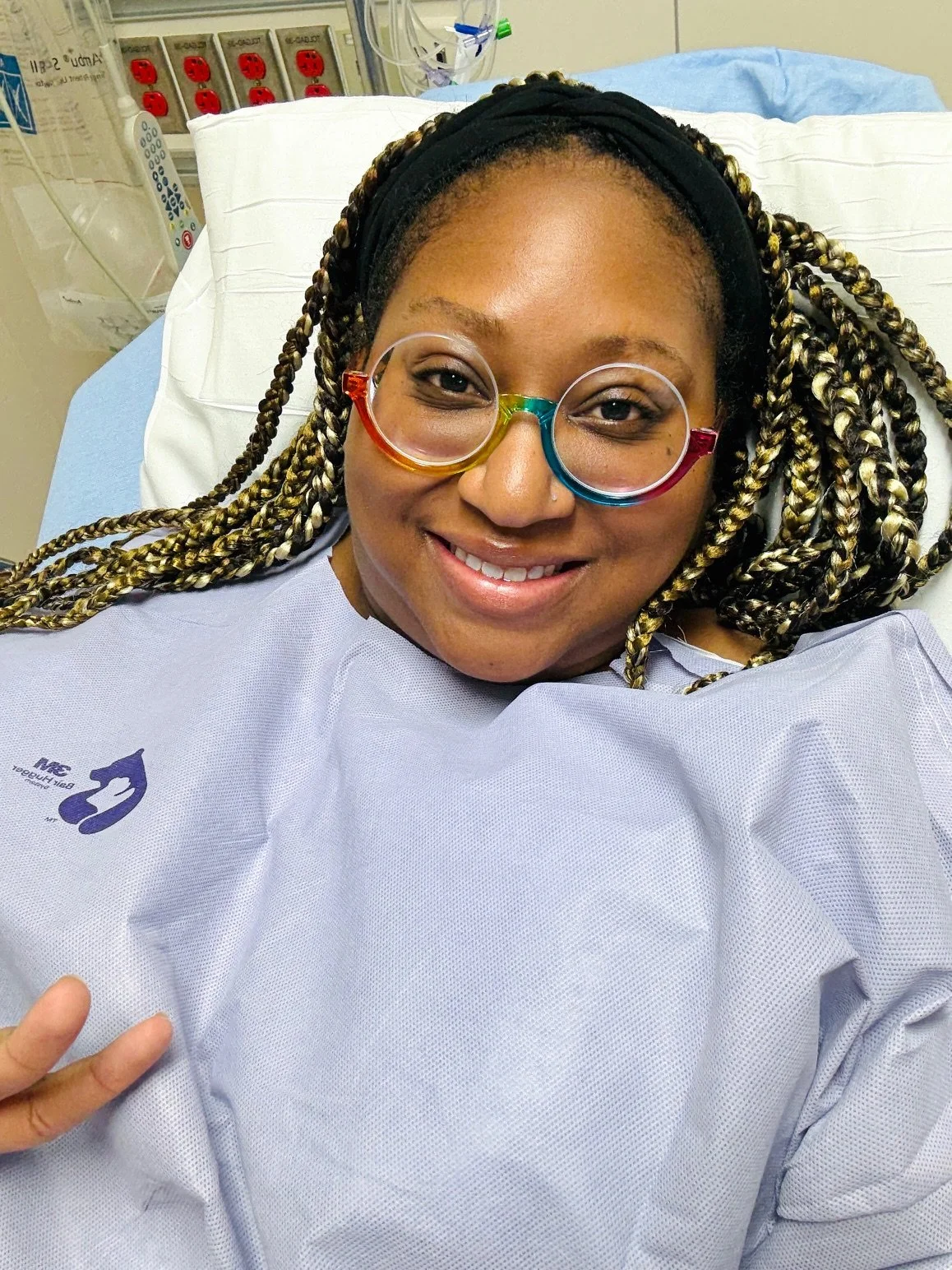
I did it, y’all, I had a total laparoscopic hysterectomy in June 2025 at age 34! Recovering from a hysterotomy is a journey, and having the right tools can make all the difference in your comfort and healing. Recovery time was estimated to be 6 weeks, and I needed every minute of that time. Even with a laparoscopic procedure, your body needs time to heal. While everyone is different, I wanted to share the items that genuinely made my aftercare experience more manageable and, dare I say, even a little bit easier.
Pain Management & Comfort
Abdominal Binder: This was a non-negotiable for me from day one. My surgeon placed me in a binder right after, but once I started walking, I realized it wasn’t a great fit for me, so I was glad I had purchased my own. The compression provided immense support to my incision, reducing pain and making movement less daunting. It was also long enough to cover my entire torso. You have the option to make it as loose or as snug as you would like. I wore it almost constantly for the first few weeks, only taking it off to shower.
High-Waisted, Loose-Fitting Underwear: Say goodbye to anything that will rub or press on your incision. I stocked up on soft, breathable cotton underwear that sat well above my incision. Comfort is key! Even though my incision no longer hurts, these still feel amazing!
Seatbelt Pillow: This pillow was amazing, I wish I had it when I had back surgery. I could easily tuck the seatbelt in place and hold on to it while someone drove me home. It made all the bumps during the car ride a little easier.
Pillow for Coughing/Sneezing: A small, firm pillow became my best friend for protecting my incision during unexpected coughs or sneezes. Pressing it firmly against my abdomen offered crucial support and reduced the sharp pain.
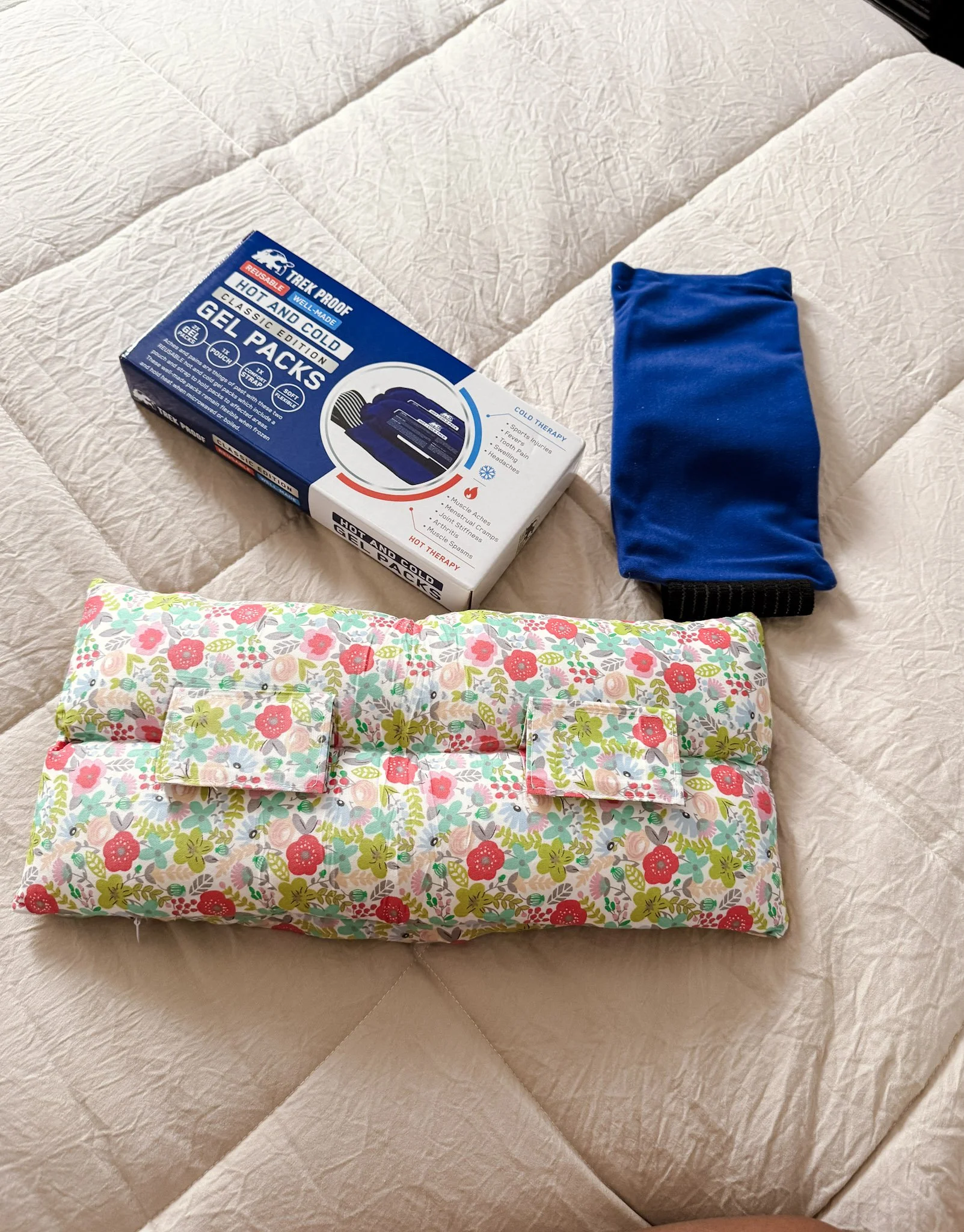
Heating Pad: Gentle warmth on my lower back and even lightly over my abdomen (once my doctor gave the all-clear) was incredibly soothing for general aches and uterine cramping.
Ice Packs: I found myself alternating between wanting hot/cold compressions and these packs were perfect. I could use them for both. Whenever I wanted to sit up, I’d lay a pack over my belly.
Soft, Easy-to-Wear Clothing: Think loose-fitting pajamas, sweatpants, and dresses. I lived in pajamas and robes. Anything that didn't put pressure on my midsection was a win.
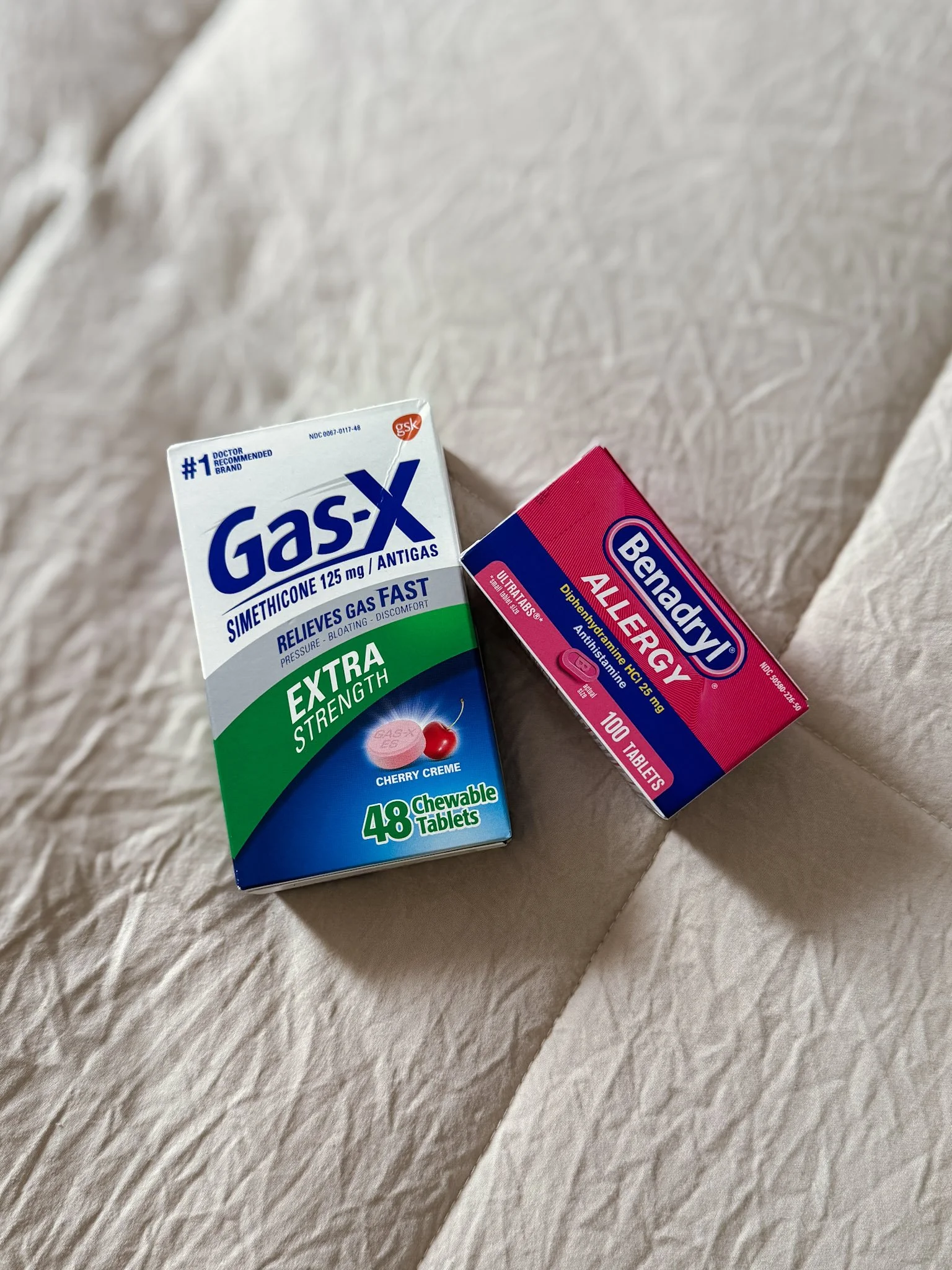
GasX - This was a lifesaver, all of the women said I would need it, and I’m glad I listened. Your belly is filled with air if you’re having laparoscopic surgery, causing a lot of post-surgical gas. The last thing you want is gas pain. I took it for the first 10 days, and it was great!
Panty Liners/ Light Day pads - Ideally, you shouldn’t bleed like a normal period, but you may experience spotting and/or a light period during the first 2 weeks.
Incision Care
Gentle Cleanser: My doctor recommended a mild, fragrance-free soap for showering. Keeping the incision clean and dry is paramount to preventing infection.
Gauze Pads and Medical Tape (if needed): While my incision was mostly left open to air after the initial hospital dressing, I kept these on hand for any minor leakage or if I needed to protect it from clothing friction. Always follow your doctor's specific instructions for wound care!
Scar Cream/Oil (after healing): Once my incision was fully closed and no longer sensitive, I started using a silicone-based scar cream. While it's too early to tell the long-term effects, I felt like it helped with the texture and appearance. Always consult your doctor before applying anything directly to your healing incision.
Practical Helpers
Grabber Tool: Reaching for things on the floor or in higher cabinets was a challenge in the early days. A grabber tool was surprisingly useful and saved me from unnecessary bending and stretching.
Stool Softener: This is often recommended post-surgery, and for good reason. Opioid pain medications and the general trauma of surgery can lead to constipation. Staying regular is important for comfort and to avoid straining.
Water Bottle with a Straw: Staying hydrated is crucial for healing. A large water bottle with a straw made it easy to sip water throughout the day without having to sit up too much.
Entertainment (Books, Streaming Services, Podcasts): You'll be spending a lot of time resting! Having a good backlog of entertainment was essential for keeping my spirits up and distracting me from discomfort.
Support System: This isn't a physical item, but having family and friends to help with daily tasks, meal prep, and just offer emotional support was the most valuable "tool" of all. Don't be afraid to ask for help!
Meal Replacement Shakes - I had to be alone for a while, and cooking was not an option for me. I relied heavily on shakes for at least one meal per day.
Benadryl - Some pain medicines have itching as a side effect, for me, it’s always been heightened, and having it on hand is extremely helpful.
Remember, this list is based on my personal experience, and your recovery journey may differ. Always prioritize your doctor's advice and instructions. Wishing you a smooth and comfortable healing process! If you want to take an in-depth look at my journey, I shared a lot over on TikTok!
View all of my must-have hysterotomy items over on Amazon!